
What Your Spark Plugs Are Telling You ( Complete Guide)
AUTOMOTIVE
3/31/2026
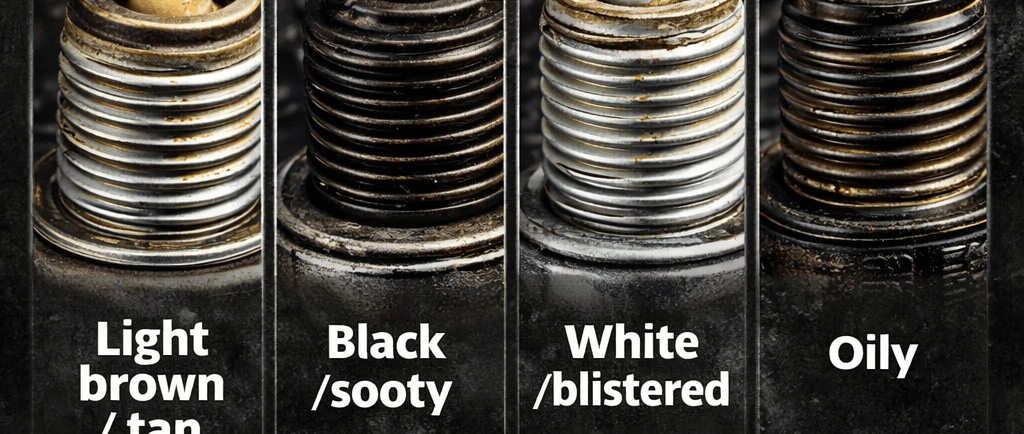
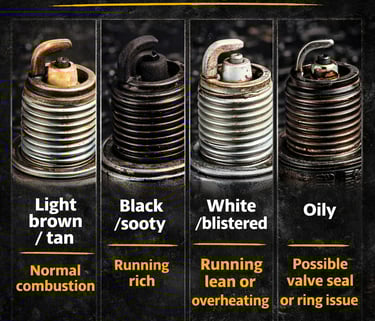
Spark plugs are one of the easiest ways to understand what’s happening inside your engine. When you remove a spark plug, the color and condition of the tip can reveal important clues about how your engine is running. Mechanics often use spark plugs as a quick diagnostic tool to identify issues like rich fuel mixtures, overheating, or internal engine wear.
By learning how to read spark plugs, you can catch problems early before they turn into expensive repairs.
In this guide, we’ll break down what different spark plug conditions mean and what they might be telling you about your engine.
Normal Spark Plug Color (Light Brown / Tan)
A spark plug that looks light brown or tan is exactly what you want to see.
This color indicates that the engine is running properly and the air-fuel mixture is balanced correctly. Combustion temperatures are normal and the engine is burning fuel efficiently.
What it means
• Proper air-fuel mixture
• Normal combustion temperature
• Engine operating correctly
If your spark plugs look like this, there’s usually nothing to worry about.
Black or Sooty Spark Plugs (Running Rich)
If your spark plug is covered in black carbon deposits, your engine may be running too rich.
This means the engine is getting too much fuel and not enough air, which prevents the fuel from burning completely.
Possible causes
• Dirty air filter
• Faulty fuel injector
• Bad mass airflow sensor (MAF)
• Faulty oxygen sensor
• Choke stuck open (older vehicles)
Symptoms you might notice
• Poor fuel economy
• Rough idle
• Engine hesitation
• Black smoke from exhaust
Running rich for too long can foul spark plugs and reduce engine performance.
White or Blistered Spark Plugs (Running Lean or Overheating)
A spark plug that appears white, blistered, or extremely clean often means the engine is running too lean or too hot.
A lean condition means the engine is receiving too much air and not enough fuel.
When combustion temperatures get too high, it can cause spark plug electrodes to blister or even melt.
Possible causes
• Vacuum leak
• Faulty fuel pump
• Clogged fuel injectors
• Incorrect spark plug heat range
• Engine timing issues
Why this is dangerous
Running lean can cause engine overheating, piston damage, and detonation if left unchecked.
If your plugs look like this, it’s a good idea to diagnose the issue sooner rather than later.
Oily Spark Plugs (Oil Fouling)
If a spark plug looks wet or coated with oil, it usually means oil is entering the combustion chamber.
This is often a sign of internal engine wear.
Possible causes
• Worn piston rings
• Bad valve seals
• Worn valve guides
• PCV system issues
Symptoms you might notice
• Blue smoke from exhaust
• Excessive oil consumption
• Engine misfires
• Reduced power
Oil fouling can prevent spark plugs from firing properly, leading to poor engine performance.
Other Spark Plug Conditions to Watch For
While the four types above are the most common, spark plugs can sometimes show other signs of engine trouble.
Burned Electrodes
This may indicate detonation, overheating, or incorrect ignition timing.
Ash Deposits
Light ash buildup may indicate oil additives or fuel additives burning in the chamber.
Fuel Fouling
If plugs are wet with gasoline, the engine may not be igniting fuel properly.
How Often Should You Check Spark Plugs?
Spark plug lifespan depends on the type of plug and the vehicle.
Typical intervals:
• Copper plugs: 20,000–30,000 miles
• Platinum plugs: 60,000 miles
• Iridium plugs: 80,000–100,000 miles
Even if plugs are designed to last longer, checking them periodically can help catch engine problems early.
Tools That Make Spark Plug Inspection Easier
If you plan on checking your own spark plugs, a few tools make the job much easier:
• Inspection light or borescope
These tools help you safely remove plugs, inspect them properly, and reinstall them with the correct torque.
Final Thoughts
Spark plugs might be small, but they can reveal a lot about the health of your engine. By paying attention to their color and condition, you can quickly spot signs of rich fuel mixtures, overheating, or internal engine problems.
Checking spark plugs is a simple maintenance step that can help prevent larger issues down the road.
If you notice unusual spark plug wear, it’s often worth diagnosing the cause early before it leads to more serious engine damage.